 US Market

Stock Activity:
ALL USD Stocks

Chat Now !

Congress Raids Fed's Surplus for $2.5 Billion in Budget Deal
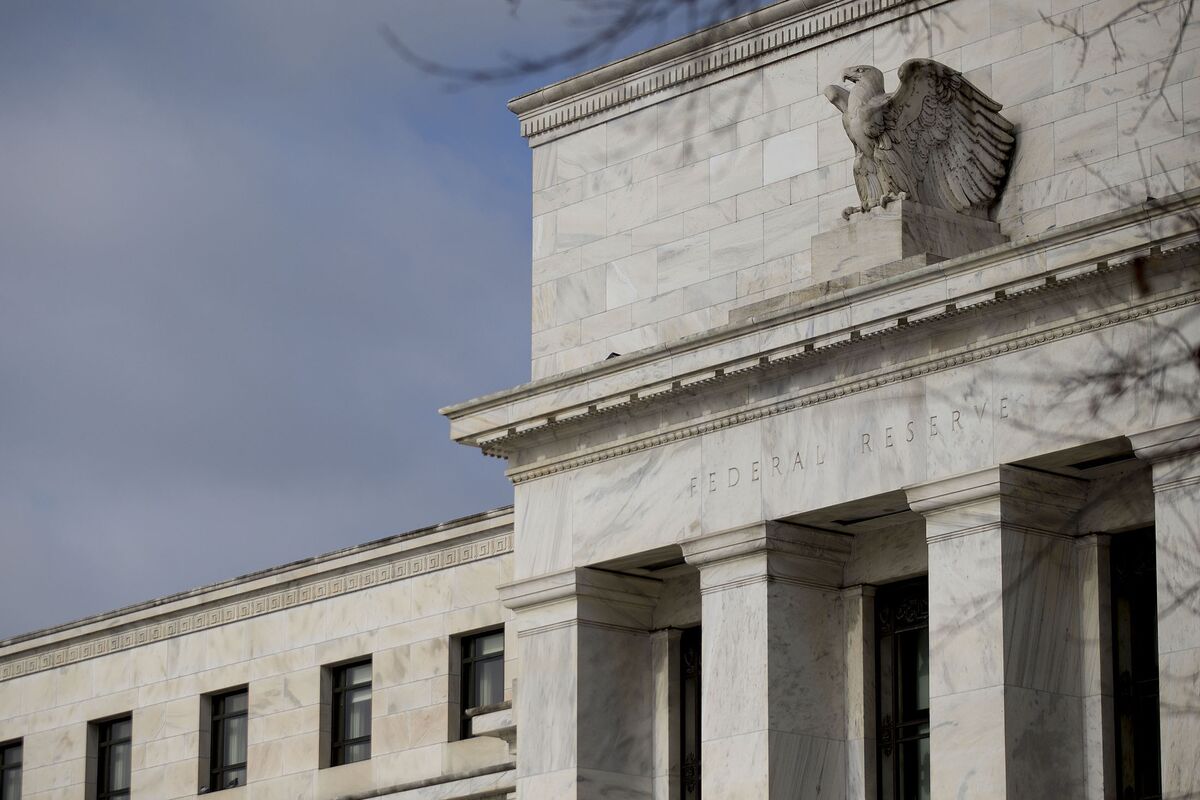
For the second time in less than three years, Congress has raided the Federal Reserve’s capital surplus account, this time for $2.5 billion.
For the second time in less than three years, Congress has raided the Federal Reserve’s capital surplus account, this time for $2.5 billion.
The move was buried in a budget deal passed early Friday morning in the U.S. House of Representatives and signed within hours by President Donald Trump to end a brief government shutdown.
The provision reduces the Fed’s capital surplus account by $2.45 billion to about $7.5 billion, forcing the central bank to send the funds to the Treasury.
Congress took a similar step in 2015, reducing the Fed’s surplus from about $30 billion to $10 billion to finance highway spending. Former Fed Chairman Ben Bernanke weighed in at the time on his blog to call the move “a form of budgetary sleight-of-hand that would count funds that are already designated for the Treasury as ‘new’ revenue.”
“Drawing on the Fed’s capital creates no new government revenue on net, since the revenue the Treasury ‘gains’ by this action would be exactly offset by reduced remittances from the Fed in the future,” Bernanke wrote in November 2015.
The 2015 reduction in the Fed’s surplus had no impact on the central bank’s operations and is not expected to have any effect this year. Fed spokeswoman Michelle Smith declined to comment.
In testimony before Congress in 2015, former Fed Chair Janet Yellen also slammed the practice.
“Financing federal fiscal spending by tapping the resources of the Federal Reserve sets a bad precedent and impinges on the independence of the central bank,” she said, adding, “It weakens fiscal discipline.”
The Fed generates net earnings, chiefly through interest on securities held on its balance sheet and from fees charges for services provided by its 12 regional reserve banks. Most of that is remitted to the Treasury, including an estimated $80.2 billion in 2017. The Fed’s surplus capital represents cumulative net earnings not paid out to the Treasury.